



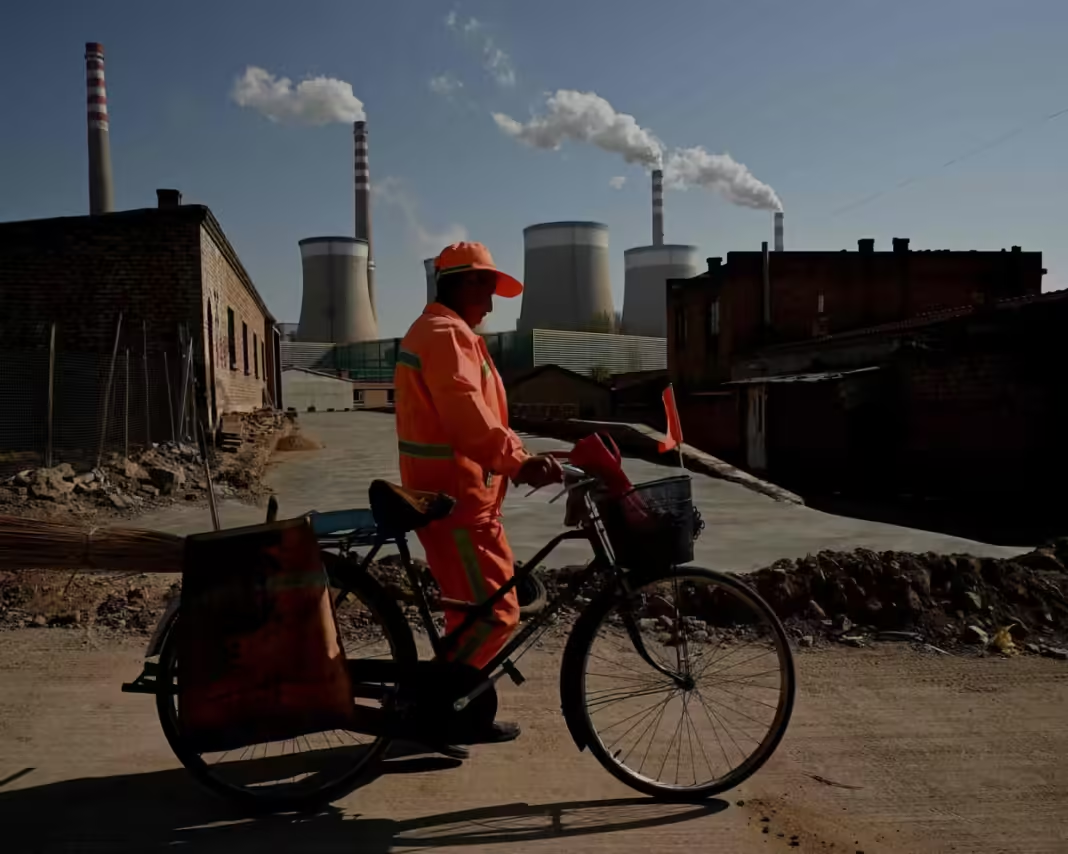
Coal-fired power generation fell simultaneously in China and India last year for the first time since the 1970s, marking a historic shift that could signal the beginning of a decline in global emissions, according to new analysis.
The drop—unprecedented since 1973—occurred in the world’s two largest coal-consuming nations and was driven by a record surge in clean energy deployment, researchers at the Centre for Research on Energy and Clean Air found. The analysis, commissioned by Carbon Brief, shows coal power generation fell by 1.6% in China and 3% in India, even as electricity demand continued to rise.
Clean energy growth exceeded new demand in both countries, breaking a decades-long link between economic growth and coal consumption. “The drop in coal power and record increase in clean energy in China and India marks a historic moment,” the report said, calling it a potential “sign of things to come.”
The implications are global. Between 2015 and 2024, China and India accounted for over 90% of the increase in global carbon emissions. A sustained decline in coal use in these two economies could therefore trigger a peak in global coal consumption—and emissions.
China led the shift, adding over 300GW of solar power and 100GW of wind in a single year—more than five times the UK’s total installed power capacity. The report described these additions as unprecedented in the history of any country.
India also recorded a sharp acceleration, installing 35 GW of solar, 6 GW of wind, and 3.5 GW of hydropower. For the first time, rapid clean-energy expansion played a decisive role, accounting for 44% of the reduction in coal and gas generation compared with the previous five-year average.
However, the analysis also sounded a note of caution. About 36% of India’s fossil fuel decline was linked to milder weather, while 20% was due to slower demand growth. A rise in extreme summer heat—and demand for air-conditioning—could yet reverse recent gains.
Previous expectations of a global coal peak were derailed by Russia’s war in Ukraine, which sent gas prices soaring and pushed many developing countries back toward cheaper coal. This time, analysts suggest, the shift may be more durable—driven not by crisis, but by structural change in energy systems. Read More
News Credit: The Guardian
Picture Credit: Noel Celis/AFP/Getty Images