



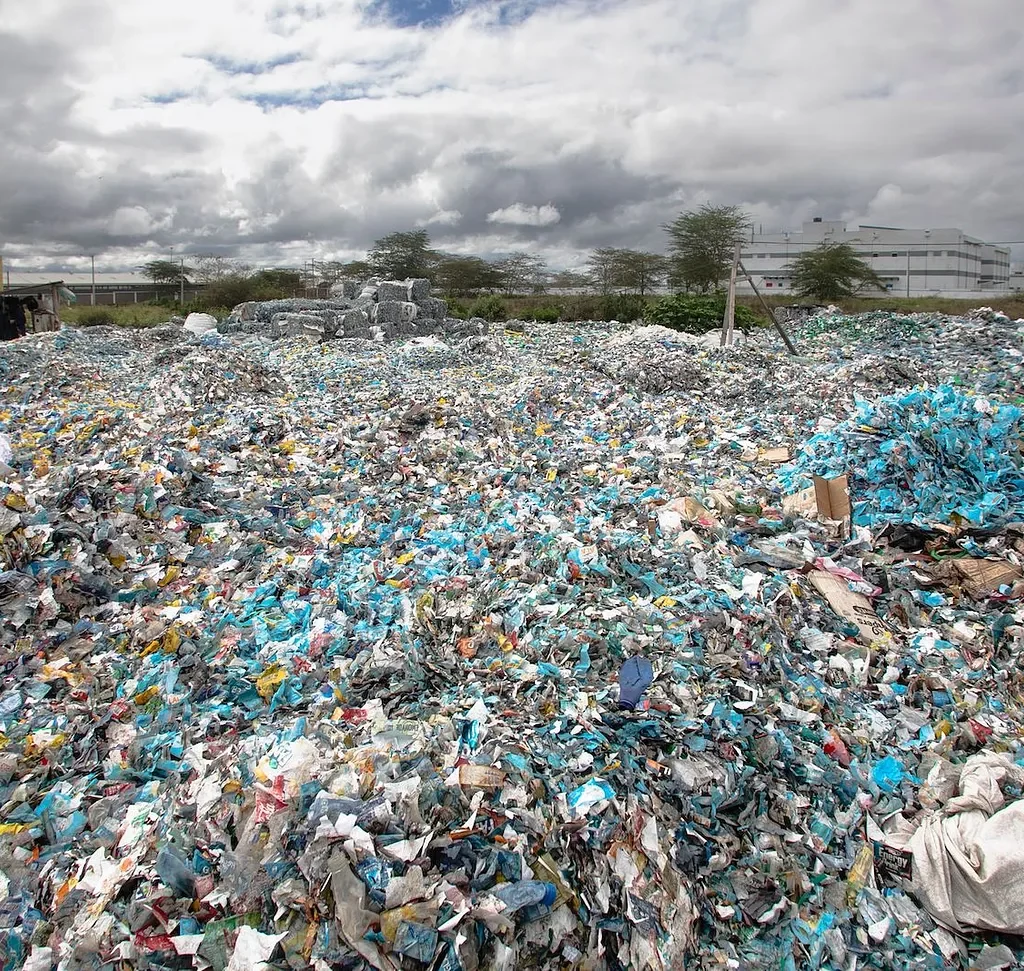
The plastic pollution crisis is so severe that it is now at par with the climate crisis. It shows no sign of slowing down, with plastic pollution expected to double by 2030. Over the next two decades, the amount of plastic in the ocean could reach 600 million tons, the same weight as 3 million blue whales.
But the plastics industry wants to assure the public that it has a solution. Recycling; which works for materials like paper, glass, and aluminium—is not making a meaningful dent in plastic pollution. Only 5 to 6% of U.S. plastics are actually recycled annually, and less than 10 per cent of plastic waste is recycled globally. The other 350 million tons of plastic waste generated each year ends up in landfills, incinerators, ecosystems, and bodies. One study estimates that each person ingests up to one credit card worth of plastic each week.
The plastics industry has known for decades that recycling doesn’t work. A new report from the Center for Climate Integrity details the deception, showing that the plastics industry has privately admitted in internal communication since the 1960s that the process is not effective.